
Benefits of IV Infusion NAD+

Are you searching for a way to enhance energy, cognitive function, or overall wellness? NAD+ (nicotinamide adenine dinucleotide) infusions could be the answer you've been looking for!

In today's fast-paced world, many individuals experience fatigue, mental fog, and diminished vitality. NAD+ is crucial for cellular energy production and overall health, but its levels can decline due to aging or stress. Addressing these issues can lead to significant improvements in energy and well-being.
Here are some potential benefits of NAD+ IV infusions:
1. Boost Energy: NAD+ is vital for the production of ATP, the energy currency of cells. Research has shown that NAD+ supplementation can enhance energy levels and alleviate fatigue (Braidy et al., 2011).
2. Enhance Cognitive Function: Studies indicate that NAD+ may improve cognitive abilities and memory by protecting neurons from damage and promoting their health (Mills et al., 2016).
3. Anti Aging: NAD+ plays a key role in DNA repair and cellular health, contributing to potential anti-aging effects. Increasing NAD+ levels can foster cellular resilience and longevity (Gomes et al., 2013).
4. Support Metabolic Health: NAD+ is involved in regulating metabolism, and supplementation can improve insulin sensitivity and overall metabolic health, which may assist in weight management (Canto et al., 2012).
5. Aid in Addiction Recovery: Some studies suggest that NAD+ infusions may help diminish cravings and withdrawal symptoms in individuals recovering from addiction (Nutt et al., 2010).
6. Elevate Mood: NAD+ has been associated with improved mood and emotional well-being, potentially benefiting those experiencing anxiety and depression (Kumar et al., 2020).
7. Improve Cellular Repair: NAD+ supports DNA repair mechanisms and overall cellular maintenance, which are essential for maintaining overall health (Zhang et al., 2016).
8. Enhance Athletic Performance: Athletes may experience enhanced endurance and quicker recovery following NAD+ supplementation, leading to improved performance outcomes (Mills et al., 2016).

Before considering NAD+ IV infusion, it's essential to consult with a healthcare professional to determine if it's the right choice for your health and wellness objectives.
Brandon Burress and Stormer Dicola, owners of Hydromedics IV Hydration and Vitamin Therapy, in collaboration with Medical Director Sujay Kumar MD, have devised a comprehensive plan for the optimal implementation of NAD+ infusion therapy. The plan has demonstrated significant benefits for patients, particularly when administered in a structured schedule.
Initially, patients receive a 250mg NAD+ infusion over approximately one hour. Subsequently, they undergo weekly infusions of 500mg over approximately two hours for a duration of four weeks. To sustain elevated NAD+ levels, patients are scheduled for monthly infusions of 500mg over two hours.
Patients who adhere to this regimen typically experience notable improvements, including enhanced sleep quality, increased alertness, reduced mental fog, improved concentration, and heightened focus throughout the day.
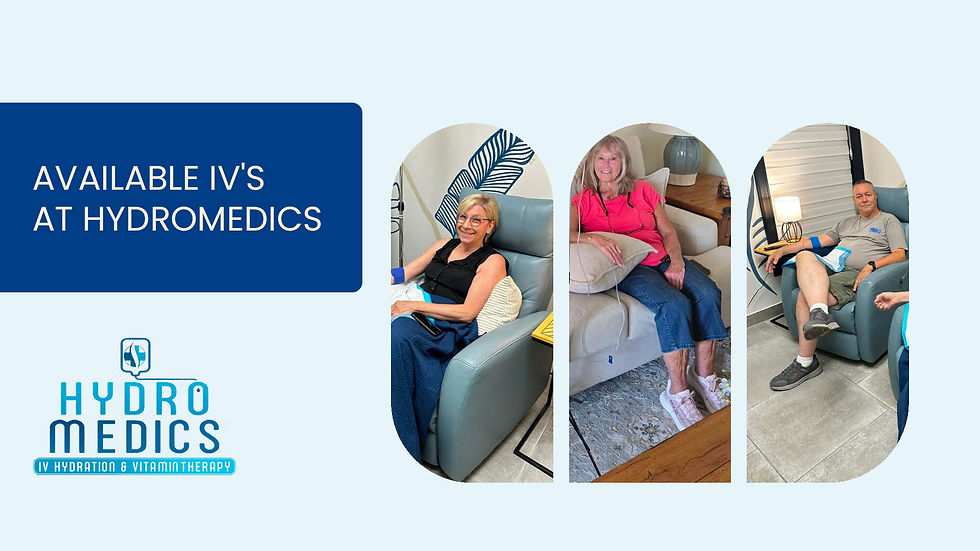
Hydromedics has prioritized the accessibility and affordability of this service, offering both in-office visits and mobile IV delivery to the comfort of patients' homes. (Www.HydroMedicsIV.com)
Ready to experience the benefits of NAD+ IV therapy? Book your NAD+ infusion at HydroMedics — available in-office or with mobile delivery to your home.
References:
- Braidy, N., et al. (2011). "NAD+ metabolism and its roles in cellular processes during aging." Ageing Research Reviews.
- Canto, C., et al. (2012). "The NAD+-dependent deacetylase SIRT1 is a key regulator of the metabolic benefits of resveratrol." Cell Metabolism.
- Gomes, A. P., et al. (2013). "Declining NAD+ induces a metabolic switch to alcohol." Nature.
- Kumar, S., et al. (2020). "NAD+ metabolism: An attractive target for the treatment of anxiety and depression." Frontiers in Pharmacology.
- Mills, K. F., et al. (2016). "Long-term gene expression changes in aging induced by NAD+ supplementation." Nature Communications.
- Nutt, D. J., et al. (2010). "The role of the neurotransmitter systems in the pathophysiology of drug dependence." Psychological Medicine.
- Zhang, H., et al. (2016). "NAD+ metabolism and its implications in the biology of kidney diseases." Nature Reviews Nephrology.


Comments